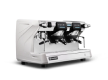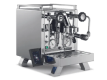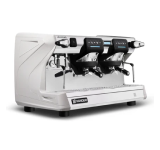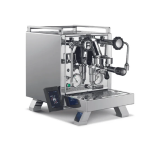
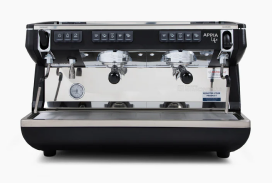
2 Group Espresso Machines for Two-Barista Bars

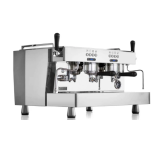
A 2 group espresso machine is the size most busy bars land on, and for good reason. Two baristas can work side by side without waiting on each other, so the queue keeps moving through the 8am rush. The right size is set by your worst twenty minutes, not your daily total: a 2 group comfortably carries most independent cafes, hotel lobbies and restaurant service, roughly 100 to 300 drinks a day. Below that, a single group may do. Above it, you are looking at three. Get this call right and the machine stops being the thing that slows your bar down.

How Do You Know a 2 Group Machine Is the Right Size for Your Bar?

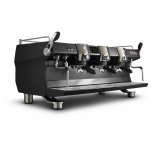
Size is a peak-hour question, not a daily-total one. A 2 group machine is built for two baristas working the bar together, which covers roughly 100 to 300 drinks a day across most independent cafes, hotel lobbies and restaurants. What decides it is your worst twenty minutes: a shop clearing 250 drinks a day but pouring 150 of them between 8 and 9am needs the same capacity as one running steadily all day. If your counts look more like a single barista, 1 group commercial espresso machines are built for that volume. Past 50 drinks an hour, compare 3 group commercial espresso machines before you commit.

Once size is settled, boiler type is the next real decision, and it comes down to how your bar handles milk. A heat exchanger runs one boiler with a separate circuit for brew water, which keeps steam strong through back-to-back milk drinks but asks the barista to flush the group after it has sat idle. A dual boiler runs brewing and steaming on their own boilers instead, holding brew temperature steady without that step.

Control style is a separate choice again. Semi-automatic machines leave shot timing to the barista, which costs less upfront and gives a trained team full control over extraction. Volumetric machines meter each shot to a programmed dose, which holds consistency across a rotating staff or a bar where several people work the same machine. Neither wins outright; it depends how much you are leaning on barista skill.

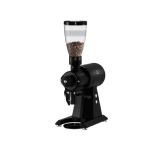
Installation is where a lot of 2 group purchases stall, so settle power, plumbing and counter width before the machine ships rather than on install day; the questions below cover what to confirm with your electrician and plumber. If budget timing matters more than buying factory-new, renewed and used espresso machines are worth comparing, and the wider commercial espresso machines lineup is there if you are still weighing formats. And a 2 group machine is only half the workflow: pair it with commercial coffee grinders sized to the same volume, since an undersized grinder bottlenecks a good machine just as fast as an undersized machine would.

FAQ

How many drinks an hour can two baristas actually get through?

Plan on roughly 30 drinks an hour per barista once milk is involved, so a two-person team lands near 60 an hour before the bar itself becomes the limit. That's the number worth counting, not the daily total. Past about 60 sustained, you're staffing a third person anyway, which is the point a 3 group starts to make sense.

Does a 2 group espresso machine need its own dedicated power circuit?

Yes, in most cases. A 2 group commercial espresso machine typically needs 220V single-phase power on its own dedicated circuit, usually rated around 20 amps, and most units ship without a plug so an electrician has to match it to your panel. Confirm this before delivery, not on install day.

Does a 2 group machine have to be plumbed in, or can it run off a tank?

Most 2 group commercial machines are built to run off a dedicated water line with a proper drain rather than a manual fill tank, especially at real cafe volume. A three-inch open drain with a P-trap under the machine is standard. Have a plumber confirm your setup can support it before the machine arrives.

What water treatment does a 2 group machine need?

Filtration between the mains and the machine, sized to your actual water. Scale is what ends most commercial boilers early, and a two group boiler held at temperature all day builds it faster than a home machine ever would. Manufacturers generally want hardness in the region of 50 to 150 ppm, so test what comes out of your tap before choosing a cartridge.

Is a "2 head" espresso machine the same thing as a "2 group" machine?

Yes. "Group" and "head" both refer to the brew head a barista locks a portafilter into, so a 2 head espresso machine and a 2 group espresso machine describe the exact same configuration: two brew heads built for two baristas pulling shots side by side.

How much counter space does a 2 group machine actually need?

Most 2 group machines run 28 to 32 inches wide, with depth around 20 to 25 inches and height around 17 to 22 inches, though it varies by model. Measure your counter run, including clearance for the portafilter swing and drip tray, before finalizing your layout.

Do I need one grinder or two alongside a 2 group machine?

Two, if you pour decaf or run a second roast with any regularity, because swapping beans and re-dialling mid-service costs more time than the second grinder ever will. One on-demand grinder is fine for a single-espresso bar. Either way, size the grinder to your peak hour, since an undersized one bottlenecks the machine just as hard as an undersized machine would.

Can a 2 group espresso machine run on standard 110V power?

Most full-size 2 group commercial machines are built for 220V because of boiler size and recovery demand, and running one on 110V causes weak heating and can damage it over time. A handful of compact 2 group models are specifically built for 110V, so check the spec sheet rather than assuming a machine can be adapted.