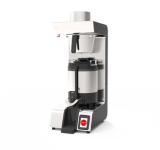
Coffee Airpot Brewers

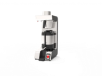
An airpot coffee brewer brews straight into a sealed insulated server with a pump lid, and that one design choice solves two problems at once. The coffee stops cooking the moment it is brewed, because nothing is holding it over heat, and it becomes portable, because the pot needs no power where it stands. If your coffee has to travel to a buffet, a meeting room or a second counter, this is the format built for it. What varies across the range is how much each pot holds and how quickly it pours at the serving end.

When Is an Airpot the Right Format for Your Coffee?

The case for it starts with where the coffee is drunk. If that is not where it is brewed, an airpot is usually the answer: fill it at the brewer, carry it to the breakfast table, the conference floor or the catering line, and it holds temperature without a socket. A urn or a plumbed dispenser cannot do that, and running power to a temporary serving point is rarely worth the trouble.

The second case is taste over time. Coffee held over direct heat keeps extracting and oxidising, which is why the last cup from a hot plate tastes burnt and thin. A vacuum-insulated airpot holds temperature by insulation alone, so the coffee at the end of the pot is much closer to the coffee at the start. Set a holding window and stick to it and your worst cup of the day gets noticeably better.

Sizing is the part people get wrong, and it cuts both ways. Too large and you brew more than you sell, so coffee sits past its window and gets poured away. Too small and someone is refilling through the rush. Work from your busiest stretch rather than your daily total, and remember that two smaller pots often serve better than one large one, because you can keep one fresh while the other empties.

The last consideration is the serving end. A pump lid needs a firm surface and enough height above it for a cup, and a lever server is quicker for a queue than a pump. If you are equipping a whole site rather than filling one gap, our commercial coffee brewers range covers the wider batch brewing category, and our office coffee machines collection covers what suits a break room.

FAQ

How long does coffee stay hot in an airpot?

Hours rather than minutes in a good vacuum-insulated server, and far longer than it would on a hot plate. Temperature is not the same as quality, though: coffee keeps changing in the pot even when it stays hot. Most operations that care set a serving window of a couple of hours and refresh, rather than serving until it is empty.

Is an airpot better than a glass pot on a warmer?

For anything past the first twenty minutes, yes, and it is not close. A warmer keeps applying heat, so the coffee carries on cooking and turns bitter and flat. An airpot holds temperature by insulation instead, so what you pour at the end resembles what you brewed. The glass pot only wins on being able to see the level.

What size airpot should I buy?

Size to your busiest stretch, not your day. Brewing more than you will pour inside your holding window means throwing coffee away, and running short means someone is refilling mid-rush. Two smaller pots are often better than one large one, because you can serve from one while the other is fresh.

Pump lid or lever server: which is better?

A lever is faster for a queue, since it is one push rather than several pumps, and it suits a self-service line where people are impatient. A pump lid is more common, generally more robust and easier to replace. For a breakfast buffet with a steady flow, the lever tends to keep things moving.

Do airpot brewers need plumbing?

Some do and some fill manually, which is a real advantage of this format. A pour-over fill model works where there is no water line, which is what makes airpot brewing practical for catering and temporary setups. If the brewer is staying put and pouring volume, plumbing it in removes the refilling.

Can I use an airpot for tea or iced coffee?

For hot tea, yes, though it is worth dedicating a pot rather than alternating, because coffee oils linger and tea will taste of them. For iced coffee, an insulated server holds cold as well as it holds heat, but check the seals and lid are rated for it rather than assuming.

How do you actually clean one properly?

Rinse after every use and wash the lid mechanism properly on a schedule, because the pump or lever assembly is where residue hides and where stale flavours come from. The liner itself needs a proper clean rather than a rinse, since oils build an invisible film that changes the taste long before anyone spots a stain.

Does water filtration matter for batch coffee?

Yes, more than for espresso if anything. Brewed coffee is over ninety-eight percent water with nothing to mask what is in it, so filtration affects the cup directly as well as protecting the brewer's tank from scale. Test your supply and size the filter to the brewer rather than fitting whatever is to hand.