Commercial Coffee Equipment

Fitting out a coffee operation usually means juggling more coffee equipment suppliers than anyone expects: one for the machine, another for grinders, someone else for filtration, and a fourth the morning a gasket fails. This page is the alternative. It carries commercial coffee supplies across the whole bar, from espresso machines and grinders through to water treatment, tampers, milk equipment, serviceware and the replacement parts that keep all of it working. If you are opening a site, refitting one, or simply tired of four accounts, this is the range to start from.

What Should You Actually Expect From a Coffee Equipment Supplier?

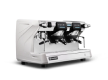
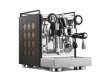
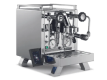
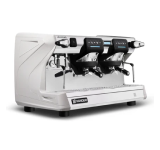
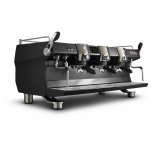
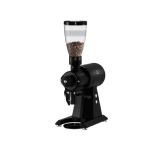
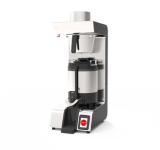
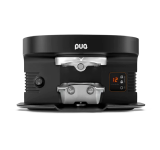
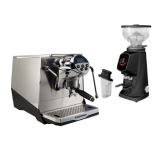
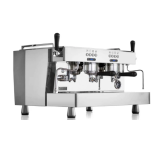
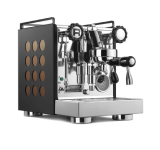
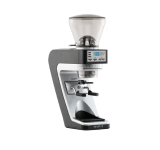
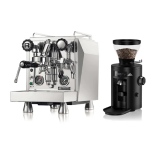
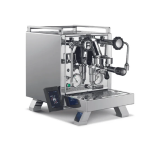
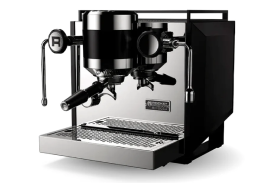
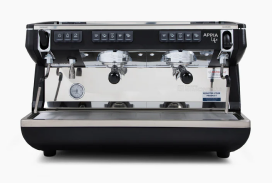
Breadth first, because that is the whole point of a supplier rather than a shop. This collection spans the machines that make the drink and everything that surrounds them: espresso machines and grinders from the brands cafes actually run, tampers and distribution tools, milk equipment, cleaning chemicals, serviceware and the accessories that make a bar workable. If you would rather go straight to a category, our commercial espresso machines and commercial coffee grinders ranges are the two most people start with.

Water treatment is the part almost every new operator underestimates, and it is the reason a supplier that only sells machines is not enough. The filtration has to be specified alongside the equipment it protects rather than added later, which is a conversation about your site rather than a product you pick off a shelf.

Then there is the unglamorous half: gaskets, shower screens, brew baskets, filters, cleaning tablets. These are what you need at short notice, and they are the reason a supply relationship matters more than a single transaction. Our espresso machine parts and commercial coffee accessories collections cover the consumables and spares that keep a bar open on a Tuesday morning.

The last thing to expect is a straight answer before you buy. Group count, boiler type, power supply and water treatment all interact, and getting one wrong is expensive in a way a spec sheet will not warn you about. A free expert consultation, by phone or in person, is worth taking before an order rather than after an install, particularly if you are equipping a site from scratch.

FAQ

Can one supplier really cover a whole coffee operation?

For equipment, yes, and that is what this collection is for: machines, grinders, filtration, tampers, milk equipment, accessories, cleaning products and spares. What it does not cover is coffee itself. Beans, roasting and any kind of supply programme are a different business from equipment retail, so you will still have a roaster relationship alongside this one.

What do I need to buy beyond the espresso machine itself?

More than most first-time buyers budget for. A grinder sized to the same volume, water filtration matched to your supply, a tamper or distribution tool, cleaning chemicals, spare gaskets and shower screens, milk pitchers and a knock box. The machine is usually the biggest line but rarely the only one that stops service when it is missing.

How do I know what water treatment my equipment needs?

Start with a test of your actual water rather than an assumption, because hardness varies enormously between cities and even between sites in one city. Manufacturers publish the range they want their equipment to run inside. Match a filter or softener to the reading and to the machine's flow rate, not to whatever cartridge fits the space.

What certifications should commercial coffee equipment carry?

NSF or ETL is the one to look for, since it tells a health inspector the equipment was built and tested for commercial food service rather than home use. What your local board of health actually requires varies by city and county, so confirm it for your jurisdiction before you buy rather than assuming a certification mark is universal.

What is the difference between commercial and home coffee equipment?

Duty cycle rather than badge. Commercial equipment is engineered to run continuously through a service day, with the boiler capacity, pump duty and build to match, and it is generally certified for commercial food service. Home equipment is built to recover between drinks. Running home gear in a commercial setting tends to fail within months rather than years.

How far ahead should I be ordering for a new site?

Earlier than most people do, because the equipment is rarely the long pole: the electrical circuit, the water line and the drain are. Get a plumber and an electrician to the space while you are still choosing machines, so the site is ready when the equipment lands rather than the other way round.

How much space and power should I plan for?

More than the machine's own footprint. Allow clearance for the portafilter swing, the grinder beside it, a knock box, and access behind for service. On power, most multi-group commercial machines need a dedicated circuit rather than a standard outlet, and many ship without a plug so an electrician matches it to your panel. Confirm both before delivery.

Do you supply offices and hotels as well as cafes?

Yes, and the requirement is genuinely different in each. A cafe is buying throughput and barista control; an office is buying something a team can operate without training; a hotel needs both, at two very different times of day. The equipment that suits each is not the same, which is worth saying before anyone orders a cafe machine for a break room.