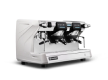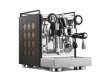
Commercial Espresso Machines

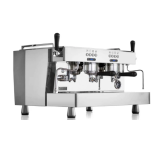
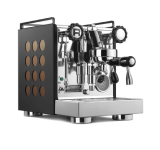
A commercial espresso machine is the center of every cafe workflow. The machine you choose sets the ceiling on output quality, determines how your baristas interact with the equipment during a full service window, and affects maintenance costs for years to come. Pro Coffee Gear carries commercial espresso machines from the brands that define the category: La Cimbali, Nuova Simonelli, Sanremo, Rocket Espresso, Wega, Astoria, and more. New and renewed commercial machines are in stock. Every order ships free, flexible financing is available, and our team offers free expert consultation to help you configure the right setup for your volume and service style.

How to Choose a Commercial Espresso Machine: Boiler Type, Group Count, and Volume

Three decisions drive every commercial espresso machine purchase. Getting them right before you shortlist models saves time and avoids costly mismatches.

Boiler configuration: This is the most consequential technical decision. Each boiler type has a direct impact on workflow and shot consistency.

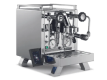
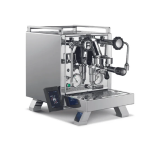
Heat exchanger (HX): A single large boiler with a separate brewing water circuit allows simultaneous brewing and milk steaming. HX machines are the most common choice for independent cafes with moderate volume. They offer a good balance of output capability and cost. Brands like Rocket Espresso and Wega have strong HX offerings in this segment.

Dual boiler: Independent boilers for brewing and steaming with separate temperature control at each. Shot-to-shot consistency is higher than HX, and temperature recovery between shots is faster. The standard choice for specialty cafes where extraction precision is central to the offering.

Multi-boiler: Each group head has its own dedicated boiler. Maximum consistency at scale. Standard on high-end multi-group machines from brands like Nuova Simonelli, La Cimbali, and Sanremo.

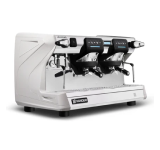
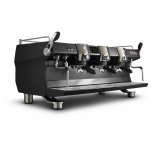
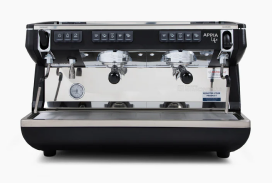
Group head count and daily volume: As a general guide, a one-group machine handles up to around 50 drinks per day. A two-group machine covers most independent cafe volumes up to 150 to 200 drinks per day. A three-group machine is suited to high-volume venues above that threshold. For 1-group commercial espresso machines, see our dedicated range. For office and hospitality use, also see super automatic espresso machines and office coffee machines.

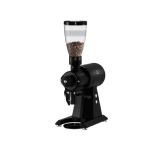
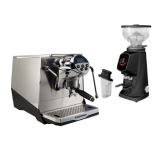
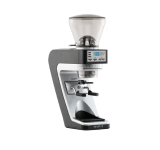
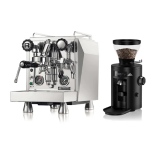
Pair any commercial machine with a matched commercial espresso grinder and a water filtration system to protect the equipment and maximize shot quality. Our team offers free consultation on full bar configurations.

Frequently Asked Questions

What is the best commercial espresso machine?

It depends on your daily volume, service style, and budget. A single-group machine handles up to about 50 drinks a day, a two-group covers most independent cafes up to 150-200 drinks, and a three-group suits high-volume venues above that. For most independent cafes, a two-group dual-boiler or multi-boiler machine from Nuova Simonelli, La Cimbali, or Sanremo covers the full range of needs. Our team can recommend specific models based on your daily cup count and service environment.

How much is a commercial espresso machine?

Commercial espresso machines range from entry-level single-group units to high-end multi-group flagship models. Renewed commercial machines offer a way to access commercial-grade output at a lower cost than new equipment. Flexible financing is also available to spread the investment across manageable payments. Contact our team for pricing guidance based on your specific requirements.

What is the difference between a heat exchanger and a dual boiler commercial espresso machine?

A heat exchanger machine uses one boiler with a separate brewing water circuit, allowing simultaneous brewing and steaming with good workflow efficiency. A dual boiler machine uses separate boilers for brewing and steaming with independent temperature control, delivering higher shot-to-shot consistency. For specialty cafes, dual boiler or multi-boiler is the standard. For moderate-volume cafes managing equipment costs, a quality HX machine is a practical choice.

How many group heads does my cafe need?

One group head handles up to around 50 drinks per day. Two group heads cover most independent cafe volumes. Three group heads suit high-volume venues or busy periods where a two-group machine creates bottlenecks. If you are unsure, our team can help you estimate the right group count based on your peak hourly demand rather than total daily volume, which is the more accurate sizing metric.

What to look for in a commercial espresso machine?

Prioritize boiler configuration (matched to your consistency requirements), group head count (matched to peak hourly demand), ease of maintenance, parts availability, and service support in your area. Build quality and component sourcing matter for long-term reliability. Also consider whether you need volumetric dosing for multi-barista consistency. Our team offers free consultation to walk through all of these criteria for your specific operation.

What else should I budget for while buying a commercial espresso machine?

The machine price is just the start. Budget for electrical work if you don't already have a dedicated circuit, plumbing if the machine is direct-connect rather than a reservoir model, and a commercial water filtration system to protect the boiler from scale, which isn't optional in most areas. Ongoing costs include descaling, gaskets and group seals, and periodic professional service. Our team can walk you through what a specific model actually costs to run, not just to buy.

Can I run a commercial espresso machine on standard 110V power?

Only small, single-group machines are typically built for standard 110V household outlets, and even then usually on a dedicated 15-20 amp circuit. Most two-group and three-group commercial machines need 220-240V single or three-phase power. If you're setting up a coffee cart, coffee trailer or a small kiosk on standard power, tell our team your setup and we'll point you to models that actually work on it.

Should I get a volumetric or a manual paddle machine?

A volumetric machine doses each shot to a programmed volume, which keeps output consistent across different baristas and shifts. A manual paddle machine puts that control in the barista's hands, shot by shot, which specialty cafes often prefer for dialing in single-origin coffee. If consistency across a team matters more than manual control, go volumetric. If your baristas are adjusting recipes throughout the day, a paddle machine gives them that flexibility.

Do I need a water filtration system for my commercial espresso machine?

Yes, in almost every case. A water filtration system is recommended to protect your machine and maintain consistent coffee quality, and skipping it is one of the fastest ways to void a warranty or shorten the life of your boiler. A pressure regulator may also be necessary if your incoming water pressure runs too high for the machine's rated range.