Mazzer Commercial Espresso Grinders

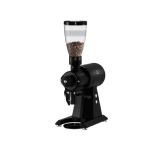
A Mazzer grinder is the one a lot of bars end up on without much debate, and the reason is unglamorous: they hold a setting, they keep going, and a technician anywhere knows them. The range divides on burr shape rather than badge, so the real decision is flat or conical and how much coffee you push through in an hour.

Flat or Conical: Which Mazzer Should You Be Looking At?

Burr shape is the first fork and it changes the cup, not just the spec sheet. Flat burrs cut a narrower band of particle sizes, which tends to give a cleaner, more separated shot where individual flavours stand out. Conical burrs produce a slightly wider spread, which reads as a heavier, rounder body in the cup. Neither is better. Bars pouring light, bright coffee often lean flat; bars built on a classic dark espresso and milk often prefer conical.

Burr size is the second, and it decides pace rather than taste. A larger burr set cuts the same dose in fewer passes, so it runs cooler and grinds faster, which matters once a queue forms. A smaller grinder in a busy bar becomes the bottleneck well before the espresso machine does, and a barista waiting on the grind is a barista not steaming milk. Size to your worst twenty minutes rather than your daily total.

The third decision is how the dose gets measured, and it is the one that separates old Mazzers from current ones. Older commercial grinders were grind-by-time: you set a duration and check the weight. Current models add electronic dosing and, further up, grind by weight, where the grinder stops at a gram target instead of a clock. That removes the drift you get as a hopper empties and pushes harder on the burrs at the start of service than at the end.

What all of them share is why the brand persists: parts are everywhere, technicians know the machines, and a burr change is routine rather than an event. That matters more over five years than any single specification. If you want to see how Mazzer sits against other brands at the same volume, our commercial coffee grinders range covers the full lineup, and pairing one properly with your machine from our commercial espresso machines collection matters more than most buyers expect.

FAQ

Does flat or conical actually make a noticeable difference in the cup?

Yes, though less than the grind setting or the coffee itself. Flat burrs give a narrower particle distribution, which usually tastes cleaner and more defined. Conical gives a wider spread that reads as fuller bodied. If you are choosing for a specialty menu on light roasts, flat is the more common pick; for a classic espresso and milk bar, conical suits.

How do I know when Mazzer burrs need replacing?

Watch your dose time rather than the calendar. When the same setting takes longer to throw the same weight, and shots start running faster than your recipe, the burrs have dulled. Uniformity goes before speed, so inconsistent extractions across a shift are usually the first thing a barista notices, well before anyone counts kilos.

Can I use a Mazzer for filter coffee as well as espresso?

Most of the espresso range is built for the fine, narrow particle band espresso needs, so pushing one coarse for filter gives a wider spread than a dedicated brew grinder. Mazzer does make grinders aimed at brewed coffee, which is the better answer if you pour both. Running one grinder for both jobs means re-dialling twice a day.

Are Mazzer parts and service easy to get in the US?

Yes, and it is a genuine reason the brand keeps showing up behind counters. Burrs, hoppers, forks and switches are widely stocked, and most commercial technicians have worked on them for years. On a piece of equipment you expect to run for a decade, that availability is worth as much as the specification.

How much noise does a commercial grinder make?

More than first-time buyers expect, and it matters in a small room. Larger burrs turning at speed are the loudest thing on a bar in the morning, which is worth thinking about in a compact cafe or anywhere the grinder sits near seated customers. Placement and a solid worktop under it help more than any spec.

What is the difference between grind by time and grind by weight?

Grind by time runs the burrs for a set duration and trusts that to give a consistent dose. Grind by weight puts a scale in the loop and stops at a gram target instead. Weight removes the drift you get as the hopper empties, which is why it suits a rotating team, while time is proven and simpler to keep running.

Do I need one grinder or two?

Two, if you pour decaf or run a second coffee with any regularity, because swapping beans and re-dialling mid-service costs more time than the second grinder ever will. One grinder is fine for a single-espresso bar. Either way, size the grinder to the same peak hour you sized the machine to.

Does the grinder need its own electrical circuit?

Usually not a dedicated one, but check the load before install day. Commercial grinders draw meaningfully more than a home unit, especially at start-up, and the failure people hit is a grinder sharing a circuit with the espresso machine and tripping it mid-rush. Have an electrician confirm the circuit carries both.