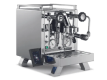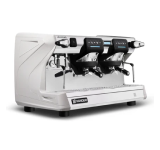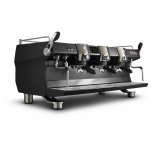
All In One Coffee Makers

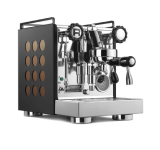
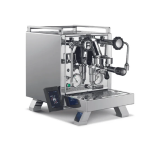
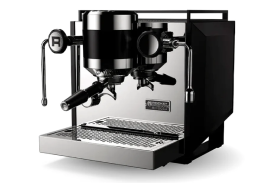
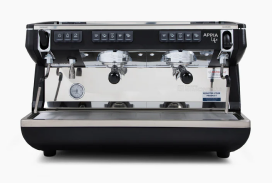
An all in one coffee maker brews and steams from a single machine, so there is no separate boiler or pump to plumb in beside it. One footprint on the counter, one thing to clean, one machine for your team to learn. What varies is how much the machine does for you. Most here are semi-automatic and pair with a grinder you pick yourself, some dose each shot automatically for repeatable pulls, and a few build the grinder in for closer to one-touch service. That choice comes down to who is using it: a trained barista wants the control, a rotating team or an office wants the machine to decide.

What Does "All In One" Actually Mean on an Espresso Machine?

On this page it means one chassis that brews and steams, so you are not sourcing a separate boiler, pump or plumbing kit to bolt on beside it. That is the real alternative these machines replace, a modular commercial setup rather than a three-piece countertop appliance, and it is what decides most of what you get for the counter space you give up.

What varies underneath that is how much the machine does for you. Most here are semi-automatic or volumetric, which means the machine handles the shot but the grinder is yours to choose and dial in. A smaller share are true super-automatics with the grinder built into the housing for closer to one-touch service, and if that is what you are after, our coffee makers with a built-in grinder and super automatic coffee machines collections are built around exactly that.

Milk is the other half of the same question. Most machines here come with a manual or semi-automatic steam wand rather than an automatic milk system, so texturing is a technique your staff learns rather than a button they press. If one-touch milk matters more to you than wand control, our coffee machines with an automatic milk frother collection covers that side of the category directly.

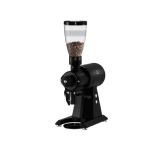
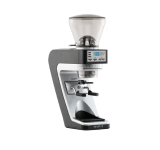
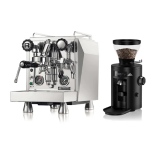
Where the grinder sits is a service question as much as a workflow one. A built-in grinder is tuned to the machine rather than to you, and it is one more part to fix if it fails. A standalone grinder gives finer adjustment and lets you replace either half on its own schedule. Every model here ships free from our warehouse in Austin, TX, and if you would rather compare the fully grind-and-brew side of the category first, our bean to cup coffee machines collection is the place to do it.

FAQ

What is the best all in one coffee machine for a small cafe or a busy home?

It depends on daily drink count more than anything else: a single-group machine covers a home or a handful of office drinkers, while two and three-group machines handle a real cafe rush. Whether a semi-automatic, volumetric, or super-automatic build fits your workflow matters just as much. PCG's team offers a free expert consultation by phone or in person to match group count and type to your actual volume.

How many drinks can a single group espresso machine actually handle in a day?

More than most people expect if the drinks are spread out, but a single group tops out at roughly 25 to 35 shots an hour no matter how light the rest of the day is. What actually decides whether one group is enough is your busiest 60 minutes, not your total daily count, so size to the rush, not the average.

Do these machines need to be plumbed in, or can they run from a tank?

Both exist in this collection, and it's worth checking before you buy rather than after. Larger multi-group machines are built to plumb into a water line with a drain, since refilling a tank through a rush isn't realistic. Compact single-group units often run from an internal reservoir, which is what makes them workable in a kitchen or an office with no plumbing nearby.

What's the difference between a heat exchanger and a dual boiler machine?

A heat exchanger machine uses one boiler to both brew and steam, which keeps it more compact and usually more affordable, but brew temperature rides along with whatever the boiler is doing for steam. A dual boiler machine runs two separate boilers, one for each job, so brew temperature holds steady independent of milk steaming, at the cost of a larger footprint.

What does "volumetric" mean on an espresso machine?

A volumetric machine measures the water flowing through the puck and cuts the shot off automatically once it hits a programmed volume, instead of a barista timing it by eye. You still dial in the grind and dose yourself, but shot length stops depending on who's pulling it, which is why volumetric machines make up the largest share of this collection.

Are super automatic espresso machines harder to clean than the rest of this collection?

A little, yes, since a built-in grinder and an automatic milk system both add parts that need daily attention: emptying grounds, wiping the milk path, and running the machine's cleaning cycle. A semi-automatic or volumetric machine without an integrated grinder has fewer internal systems to maintain day to day, which is part of the trade for giving up one-touch brewing.

What's the difference between an all in one coffee maker and a bean to cup machine?

In practice the terms overlap, but "bean to cup" usually points specifically at machines that grind, dose, brew, and often froth milk in one automated sequence. "All in one" as used here is broader: it covers machines that combine brewing and steaming in a single chassis, with the grinder either built in or sold separately, so a bean to cup machine is really one specific type inside this wider category.

Is there a coffee machine that makes everything, drip coffee and espresso and lattes?

Not in one machine that does both true drip coffee and espresso well at a commercial level, no. Espresso machines in this collection are built around espresso and steamed milk, not batch drip, so if drip coffee is part of your daily lineup you'll want a dedicated brewer alongside the espresso machine rather than expecting one unit to do both jobs.