Perfect Moose

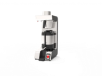
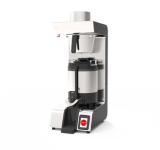
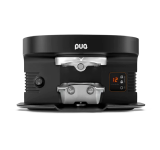
A Perfect Moose milk steamer works off one idea: the recipe lives in the pitcher, not in the barista. An RFID tag in the base tells the machine the texture and temperature you set for that jug, so the drink comes out the same whoever picks it up. Greg and Epic Greg run on your espresso machine's steam boiler. Jack carries its own.

Which Perfect Moose Fits Your Bar and Your Espresso Machine?

Start with where the steam comes from, because it rules models out faster than volume does. Greg and Epic Greg have no boiler of their own: they hook onto your espresso machine and draw from its steam boiler. So you need a semi-automatic machine with a separate steam boiler holding a constant 1.3 to 1.4 bar, and 2400 watts to spare. Multi-boiler machines qualify. Single boiler machines do not. Jack has its own boiler at the back and asks only for power and filtered water, which makes it the answer when your machine has no steam to spare, or when there is no espresso machine at all.

Then size it to your busiest twenty minutes. Greg and Jack take the 35, 50 and 75 cl Smart Pitchers, which suits a bar pouring one or two drinks at a time. Epic Greg is the same machine with a bigger holder, steaming up to a litre in one cycle. Either way a Moose works one pitcher at a time, while your barista still has the espresso machine's own wand free. The holders are not interchangeable, so choose at purchase.

The pitcher is where a Perfect Moose automatic milk steamer keeps its settings, and the jugs are colour coded to what goes in them: white for dairy, green for plant-based drinks, black for chocolate mixes, which run hotter. Each holds its own texture and temperature, so an oat latte and a dairy latte steam differently without anyone touching a control. There is no app and no drink menu. Adding a milk type later means adding a pitcher, not retraining the bar.

That leaves the counter. Every model is the same narrow shape, under five inches wide and around two feet tall, so the shelf above your bar matters more than the run of it. Our commercial milk steamers collection covers the decision to automate at all, our espresso machines with milk steamers range covers doing it on the wand instead, and our commercial espresso machines collection covers the machine a Greg draws its steam from.

FAQ

Can I use my own milk pitchers with a Perfect Moose?

No, and it is not a preference thing. The RFID tag in a Smart Pitcher is what starts the cycle and carries the instructions, so an ordinary jug does nothing on the holder. Budget for enough pitchers to cover your milk types and your pace, because they are part of the machine rather than an accessory to it.

If Greg runs off my espresso machine, do I lose a steam wand?

On the arm it uses, yes. The standard install taps a steam pipe, though a custom kit can connect Greg to the boiler directly. On a two group machine with two wands that costs you nothing you were using. On a single group it is worth thinking hard about, and it is the clearest argument for Jack.

What actually happens during a steaming cycle?

You dose the milk into the Smart Pitcher, set it on the holder and walk away. The holder weighs what you poured, reads the tag, steams to the saved temperature and texture, and stops itself. Overfill the jug and it simply will not start. Begin every cycle with a cool, clean pitcher, because a warm one changes the milk before the steamer ever touches it.

How do I set the texture and temperature?

On the pitcher, not on the machine. Stand the empty jug on the holder, then slide texture thinner or thicker, slide temperature warmer or cooler, and save. That pitcher steams that way from then on, so the setting travels with the jug rather than living in a menu somebody has to find mid-service.

Can you still pour latte art with it?

Yes, because the milk stays in a jug you pick up and pour yourself. The machine textures it, you do the pour, so the art is still your barista's. Set that pitcher's texture towards the thinner end for the loose, glossy microfoam art needs. A denser setting suits cappuccinos better.

Are there milk lines or containers to clean out?

No. The milk stays in the jug from start to finish, so there are no tubes, pumps or reservoirs to strip down at close. Upkeep is a flush after each cycle, which can be set to run itself, and a wipe of the wand with a damp cloth. The wand is cold touch, so nothing bakes onto it.

Can the Smart Pitchers go in the dishwasher?

No, and this is the one to brief your team on. The RFID tag is bonded into the base, and a dishwasher cycle, a long soak or an acidic detergent will finish it. Rinse the jugs with water straight after steaming, then hand wash with hot water and a light detergent. Keep them cool rather than parked on a hot machine.

Does a Perfect Moose need a water line?

Jack does, Greg does not. Jack takes filtered drinking water at a minimum of 3 bar after the filter, on a three eighths inch connection, with both the supply and the filter arranged by you. Greg needs no supply at all. Both produce a little condensation while steaming, so plan a drain either way.

What power supply does each model need?

Greg draws almost nothing on its own, around 30 watts from a standard outlet, because the steam energy comes from your espresso machine. Jack makes its own steam and needs far more, roughly 2400 watts at 200 to 240 volts, with no 120 volt version offered. Check what your counter genuinely has before ordering, not after the crate lands.

Is a Perfect Moose steamer certified for commercial use?

Yes. These steamers carry NSF, USTC and CB certification along with a Declaration of Conformity, which is the paperwork an inspector expects to see on food service equipment. NSF also brings yearly unannounced factory audits rather than a single test at launch. What your own authority requires varies by city and county, so confirm it locally.